3 Common Home Gym Regret Patterns and How to Avoid Them
While home gyms offer great flexibility, they can easily become unused if set up incorrectly. This article examines common regret patterns and the thinking frameworks needed to avoid them.
Why Home Gyms Often Lead to Regret
The problem is rarely about the equipment itself or its price. In most cases, regret stems from the order in which decisions are made.
Many people start by looking at equipment specifications, reviews, or social media images, then make purchases based on excitement or momentum. However, this approach often skips the most critical step: organizing the prerequisites.
This article breaks down the structural causes of common regret patterns and explains how to avoid them through proper planning and consideration.
Regret Pattern #1: Underestimating Space and Living Flow
Common Failure Example
The equipment fits in the room, but it disrupts daily living patterns and eventually stops being used. Items get placed around it, creating visual clutter, or family members start complaining about the inconvenience.
Why This Problem Occurs
Most people only consider the equipment's physical dimensions—length, width, and height. They check if it fits in the available space and assume that's sufficient. However, they fail to account for human movement patterns around the equipment.
For example, a power rack might technically fit in a corner, but if it blocks access to a closet or creates an awkward pathway, it becomes a daily obstacle rather than a training tool.
How to Avoid This
Consider both usage space and non-usage space:
- How much clearance is needed around the equipment during exercise?
- Does it interfere with daily activities when not in use?
- Can other household members move freely around it?
- Does it block natural light, ventilation, or access to storage?
The key is to visualize not just the equipment itself, but the entire living environment with the equipment in place.
Regret Pattern #2: Mismatch Between Purpose and Equipment
Common Failure Example
Inspired by impressive social media setups or advertising images, people purchase equipment that looks appealing but doesn't match their actual training goals. The equipment sits unused because it doesn't serve their real needs.
Why This Mismatch Happens
The problem occurs when people start with equipment selection before defining their purpose. They see an attractive setup and think, "I want that," without asking, "What do I actually need to achieve my goals?"
For instance, someone whose primary goal is cardiovascular health might purchase a full power rack and barbell set because it looks impressive, when a simpler setup focused on cardio and bodyweight exercises would better serve their needs.
How to Avoid This
Define your purpose first, then work backward to equipment:
- What specific fitness outcome are you pursuing? (strength, endurance, flexibility, general health)
- What movements or exercises are essential to that outcome?
- What is the minimum equipment needed to perform those movements?
- Can you start with less and add more later if needed?
Starting with a narrow, clear purpose and minimal equipment is far more sustainable than trying to build a comprehensive gym all at once.
Regret Pattern #3: Not Designing for Long-term Sustainability
Common Failure Example
Motivated by initial enthusiasm, people set up elaborate home gyms that require significant preparation time, mental energy, or physical space management. After a few weeks or months, the friction becomes too high, and usage drops to zero.
Why Consistency Breaks Down
This is not a willpower problem—it's a design problem. When a home gym requires too many steps to use (moving furniture, assembling equipment, changing clothes, etc.), each step becomes a barrier to action.
On busy days, tired days, or days when motivation is low, these barriers become insurmountable. The gym sits unused, and guilt accumulates, making it even harder to restart.
How to Avoid This
Design for your worst day, not your best day:
- Can you start a workout within 60 seconds of deciding to exercise?
- Is the equipment always ready to use, or does it require setup?
- Can you complete a meaningful workout in 15-20 minutes if needed?
- Does the space feel inviting, or does it create psychological resistance?
The goal is to eliminate friction. The easier it is to start, the more likely you are to maintain consistency over months and years.
3 Perspectives That Prevent Regret
People who successfully build sustainable home gyms consistently organize these three perspectives before making any purchases:
- Living Flow and Space: How will this equipment coexist with daily life, both during and outside of workouts?
- Purpose Clarity: What specific outcome am I pursuing, and what is the minimum equipment needed to achieve it?
- Sustainability Design: Can I use this consistently on my worst days, not just my best days?
Concrete Examples for Reference
The following are examples of equipment types that tend to satisfy the conditions discussed above. These are provided as reference points to help visualize options, not to promote purchases.
Example #1: Minimal Space, No Setup Required
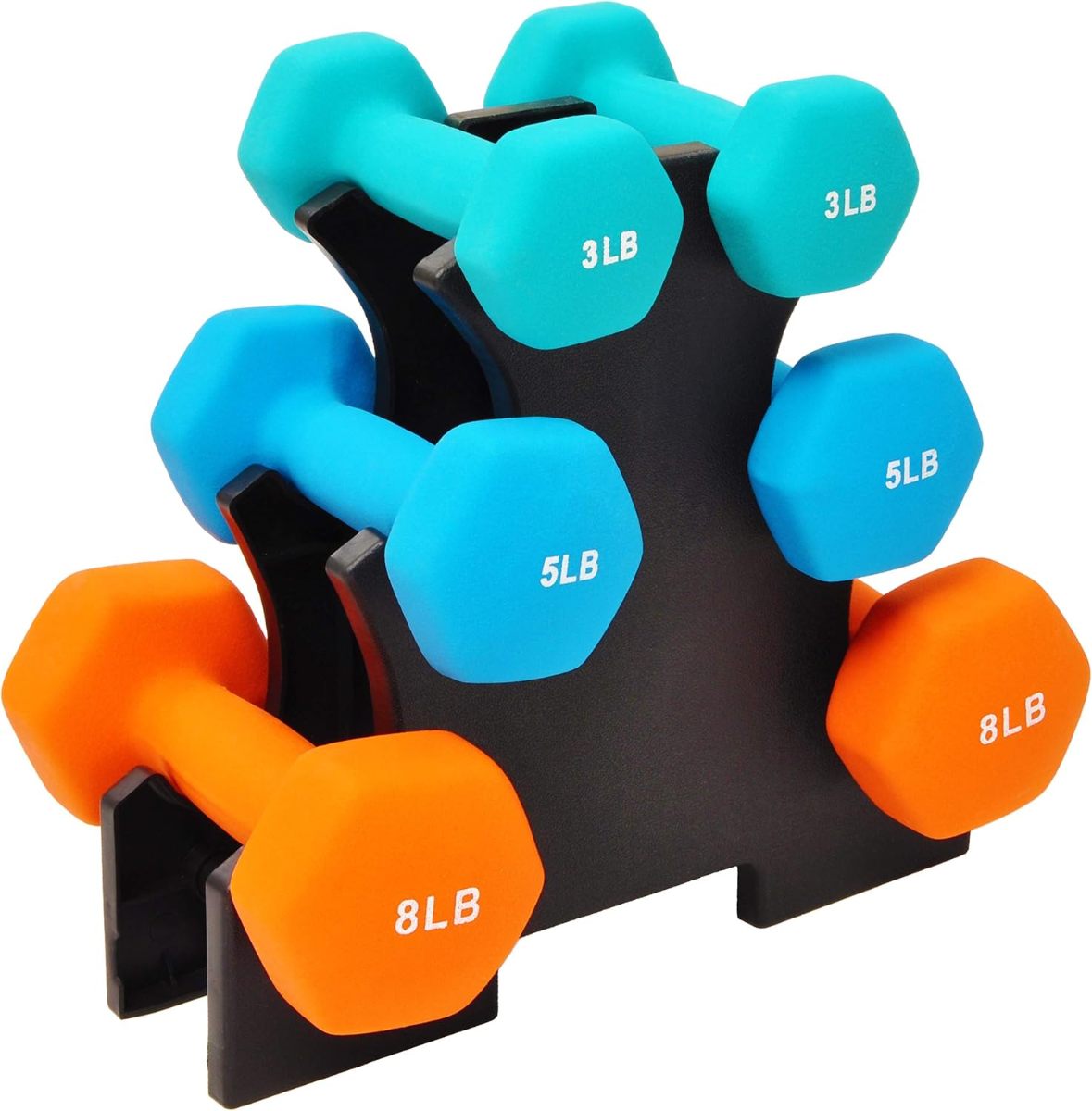
Equipment that requires no assembly or disassembly, doesn't interfere with living flow, and can be used immediately. Suitable for those prioritizing ease of access and minimal friction.
Example #2: Covers Essential Movements Without Excess
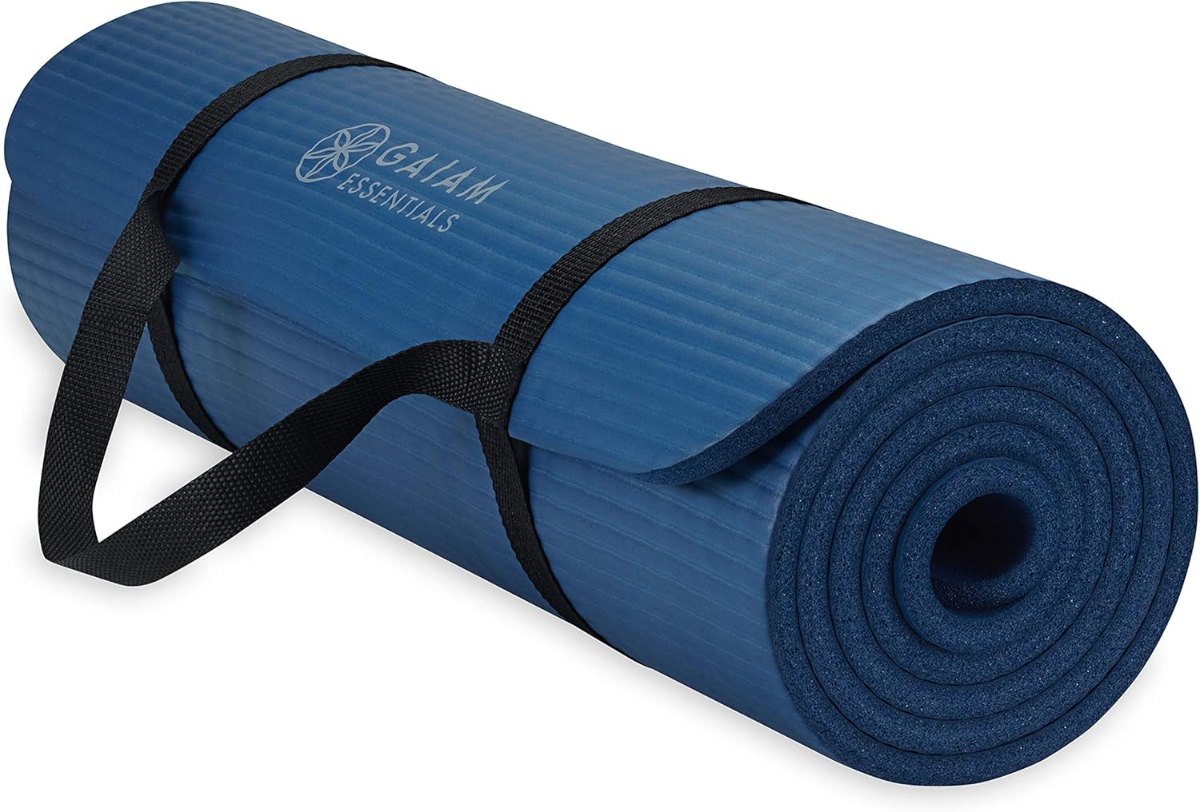
Not overly complex, designed for focused training aligned with specific purposes. Suitable for those who want to avoid feature overload and maintain clarity of purpose.
Conclusion
The key to avoiding regret is not "what to buy" but rather "how to use it and how to integrate it into daily life".
Equipment quality, brand reputation, and price are secondary considerations. What matters most is whether the setup aligns with your living environment, serves your actual purpose, and can be sustained over time.
By organizing these prerequisites before making any purchases, you significantly increase the likelihood of building a home gym that remains useful and valued for years to come.