The only two pieces of equipment most home gyms actually need
Most home gyms fail not because the equipment is inadequate, but because there is too much of it.
The initial excitement of setting up a training space often leads to overbuying. Racks, benches, multiple sets of weights, resistance bands, foam rollers, and accessories accumulate quickly. Within weeks, the space feels cluttered. Within months, most of it goes unused.
The problem is not laziness or lack of commitment. It is friction. Every additional piece of equipment adds visual noise, requires storage decisions, and increases the mental load of simply starting a session.
Simplicity increases consistency. A home gym that integrates into daily life without demanding constant attention or reorganization is far more likely to be used long-term than one that requires setup, cleanup, and navigation around unused items.
This article focuses on two pieces of equipment that cover a surprisingly wide range of training needs while remaining unobtrusive in a living space: a balance ball and a kettlebell.
Why minimal equipment works better at home
Commercial gyms are designed for equipment density. They are spaces where the presence of machines, racks, and weights is expected and appropriate. The environment is built around training, and nothing else competes for attention or space.
Home environments are not. A living room, bedroom, or spare room serves multiple purposes. It is a place for rest, work, socializing, and storage. Introducing training equipment into this space means competing with everything else that happens there.
The more equipment present, the more visual and mental pressure it creates. A corner filled with unused weights becomes a reminder of inconsistency. A bench that must be moved before each session adds friction to the decision to train.
Minimal equipment reduces this friction. When only one or two items are present, they can remain visible without dominating the space. Setup time is eliminated. The decision to train becomes simpler because the environment does not require preparation.
This is not about limiting capability. It is about removing barriers to consistency. The best home gym is the one that gets used, not the one with the most options.
Why a balance ball covers more than people expect
A balance ball is often dismissed as a beginner tool or something used only for stretching. This underestimates its range.
Core engagement is constant when using a balance ball. Unlike a stable surface, it requires continuous adjustment to maintain position. This makes even simple movements more demanding without requiring additional load or complexity.
Mobility work becomes more accessible. Hip stretches, spinal rotations, and shoulder movements can be performed with support, making them easier to hold and control. This is particularly useful for people who find floor-based stretching uncomfortable or difficult to sustain.
Low-impact strength work is also possible. Planks, bridges, and leg curls can all be performed using a balance ball, with the instability increasing difficulty without requiring weights. This makes it suitable for both beginners and those recovering from injury.
Beyond structured training, a balance ball integrates into daily movement. It can be used as a seat while working, encouraging active sitting and reducing prolonged static posture. This makes it one of the few pieces of training equipment that can remain in a living space without feeling out of place.
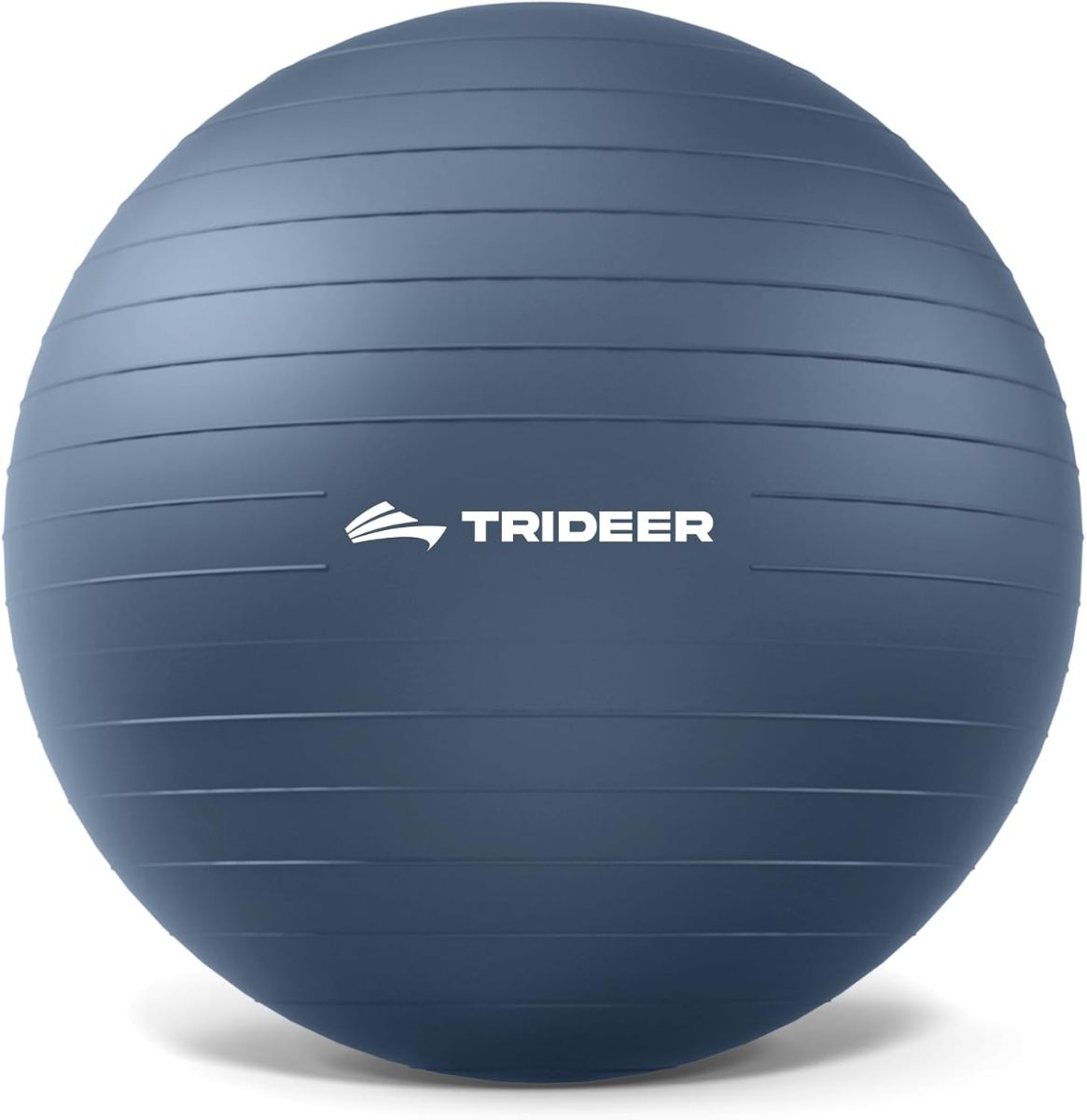
Example product: A standard anti-burst balance ball in the 55–65 cm range works for most people. Look for one that includes a pump and is rated for static weight capacity.
Why a single kettlebell is often enough
A kettlebell is one of the most space-efficient tools for full-body strength work. Unlike a barbell or machine, it requires no additional structure. It can be stored in a corner, under a desk, or in a closet without taking up meaningful space.
One kettlebell can support a wide range of movements. Swings, squats, presses, and rows can all be performed with a single weight. Progression does not require buying additional equipment. It comes from increasing repetitions, adjusting tempo, or refining technique.
Short workouts become more practical. A 15-minute session with a kettlebell can cover lower body, upper body, and cardiovascular demand without requiring multiple tools or transitions. This makes it easier to fit training into a busy schedule without needing a dedicated block of time.
The simplicity of a single weight also removes decision fatigue. There is no need to choose between dumbbells, adjust a machine, or plan around equipment availability. The tool is always ready, and the session can begin immediately.
For most people starting a home gym, a kettlebell in the 8–16 kg range provides enough resistance to build strength while remaining manageable for technique development. As familiarity increases, the same weight can be used in more challenging variations rather than requiring heavier loads.
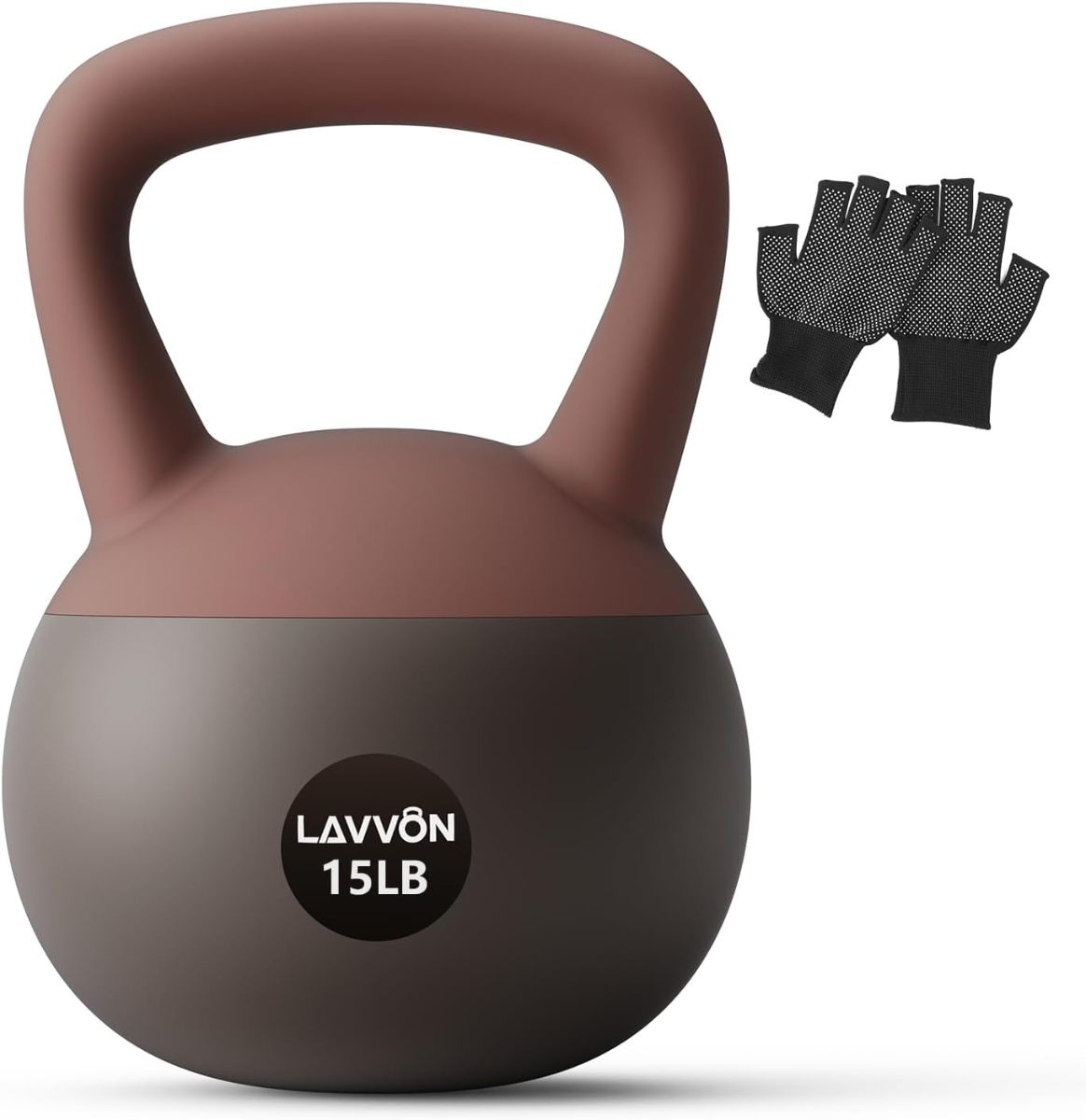
Example product: A cast iron or powder-coated kettlebell with a smooth handle works well for most movements. Avoid overly textured grips that can cause discomfort during higher-repetition work.
Why most people don't need anything beyond these two
The most common over-purchases in home gyms are items that promise versatility but end up unused. Adjustable dumbbells that are too cumbersome to adjust. Resistance bands that tangle in storage. Benches that take up floor space and require moving before each use.
These items are not inherently bad. In the right context, they are useful. But in a home environment where space is limited and consistency is the priority, they often create more problems than they solve.
Storage becomes an issue. Equipment that cannot remain visible must be stored, and stored equipment is less likely to be used. The act of retrieving, setting up, and putting away tools adds friction to every session.
Mental pressure increases. A room filled with equipment creates an expectation of use. When that equipment sits idle, it becomes a source of guilt rather than motivation. This is particularly true for expensive items that were purchased with good intentions but never integrated into a routine.
A balance ball and a kettlebell avoid these issues. They are small enough to remain in a living space without dominating it. They require no setup or breakdown. They can be used immediately, for short sessions, without needing to plan around them.
This does not mean they are the only tools anyone will ever need. But for most people starting a home gym, they provide enough range to build consistency without the complications that come with larger or more complex setups.
How to decide if these two tools fit your life
This setup works best for people in small apartments where space is limited and equipment must integrate into daily life without requiring dedicated storage or setup.
It is also well-suited for busy schedules. When training time is limited and unpredictable, having equipment that can be used immediately for short sessions removes the barrier of needing a full hour or a specific time block.
Beginners benefit from this approach because it removes the overwhelm of too many options. Instead of deciding between machines, weights, and accessories, the focus can remain on building a habit of movement without the distraction of equipment management.
There are situations where this setup may not be enough. If the goal is to build significant muscle mass or train for a specific sport, additional equipment may eventually be necessary. If space and budget allow for a more extensive setup without creating friction, that may be a better fit.
But for most people considering a home gym, the question is not whether these two tools provide everything. It is whether they provide enough to build consistency. In most cases, they do.
Conclusion
Effective home gyms are not defined by the quantity of equipment. They are defined by how well that equipment integrates into daily life.
A balance ball and a kettlebell provide enough range to support strength, mobility, and cardiovascular work without requiring dedicated space, complex storage, or lengthy setup. They remain unobtrusive in a living environment while being immediately accessible when needed.
Starting small does not mean limiting potential. It means removing the barriers that prevent consistency. Over time, consistency builds capability far more effectively than a room full of unused equipment ever could.
The best home gym is the one that gets used. For most people, that means fewer tools, less friction, and more focus on the habit of movement itself.